







Search Results for: Geisha Village Gold Label
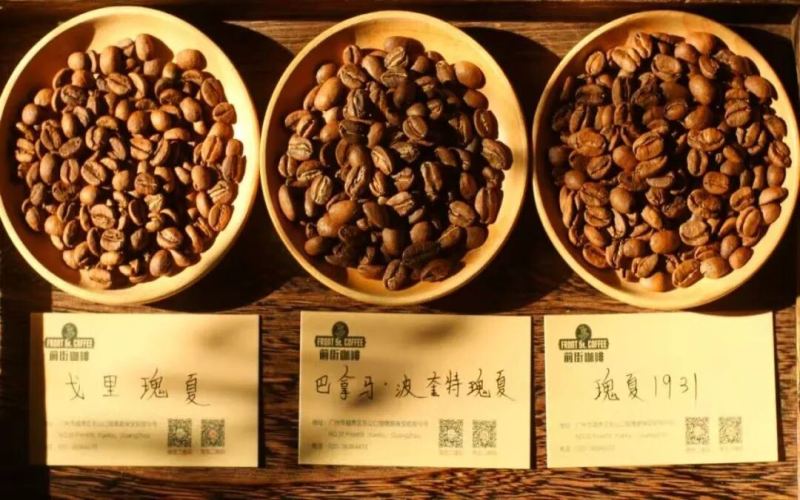
Gesha Village Coffee Grades | What Are the Differences in Flavor and Mouthfeel Between Ethiopia's Gesha Village Gold Label and Red Label Coffee?
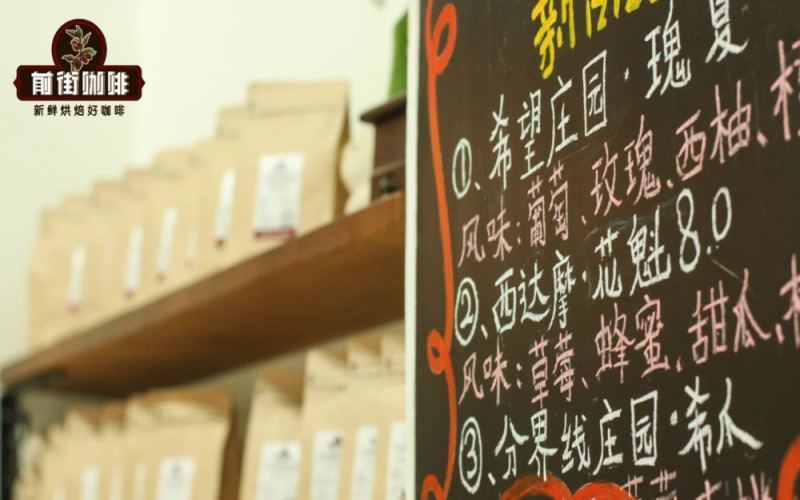
Besides Hacienda La Esmeralda's Red Label and Green Label Geisha, there is another group of somewhat well-known "labeled" Geishas on Front Street Coffee's bean menu board. These are the Gold Label Geisha and Red Label Geisha from Ethiopia's Gesha Village. Front Street Coffee has previously shared the grading system of Hacienda La Esmeralda, and has also shared about two estates. [more…]
Ethiopia Gesha Village Gold Label Gesha: A Full Analysis of the Grades and Varieties of Gold Label Batch Geisha Beans
Geisha coffee is often classified in China by terms such as Red Label, Gold Label, and Green Label, but what exactly do these "labels" represent? What are the similarities and differences between the labeling systems of Gesha Village and Hacienda La Esmeralda? Starting from the common questions at Front Street Coffee's stores, this article systematically sorts out the naming logic of Gold Label Geisha, the geographical and varietal background of Gesha Village, and the grade positioning of Gold Label lots. It also explains in detail the relationship between Geisha 1931 and Panama Geisha, and includes the origin information and brewing suggestions for Front Street Coffee's Gold Label Geisha, helping coffee enthusiasts fully understand the origins and development of this rare treasure. [more…]

Exploring Ethiopia's Gesha Village Estate: A Complete Analysis of Wild Geisha Gold Label, Red Label, Chaka Flavors and Grading
In the world of coffee, Geisha is undoubtedly a shining name. Most people first think of the Geisha from Panama's Hacienda La Esmeralda, which after being identified for its unique flavor in 2003, went on to win numerous green bean competitions such as the BOP. However, in Ethiopia's Bench Maji region, there is also a village likewise named Geisha, where the Geisha grown is entirely different from Panama Geisha, yet equally stunning. Front Street Coffee will take you into Gesha Village Coffee Estate, from its discovery history and estate overview, to the grading system of Gold Label, Red Label, Green Label, and Chaka batches, and then to processing methods and block divisions, comprehensively unraveling the coffee secrets of this legendary estate. Whether you want to understand the flavor differences between Gesha Village Gold Label and Red Label, or are curious about the blending charm of the Chaka batches, this article will reveal them all for you one by one. [more…]
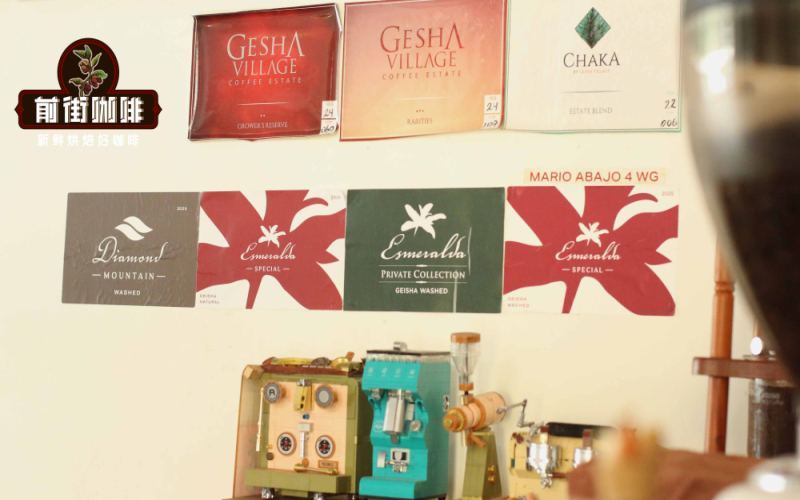
What are the differences between Gesha Village Gold Label and Panama Emerald Red Label? A clear explanation from variety and origin to flavor
Geisha enthusiasts often see two "labels" on Front Street Coffee's blackboard: Hacienda La Esmeralda Red Label and Gesha Village Gold Label. The former is 75 yuan per cup as pour-over, the latter 60 yuan per cup. Both represent the top-tier Geisha of their respective estates, yet few people examine closely the differences in naming logic, variety origin, terroir, and cup profile. Starting from the two beans currently sold at Front Street Coffee, this article sorts out the origins of the Chinese-context names "Red Label" and "Gold Label," traces the varietal relationship between Panama Geisha and Gesha Village's "Geisha 1931," compares the terroir conditions of Hacienda La Esmeralda's Boquete region and Gesha Village's Bench Maji region, and through actual brewing comparisons, presents the specific dry aroma and flavor performance of these two top-tier Geishas. [more…]

Ethiopia Gesha Village Gold Label Gesha Coffee Flavor Analysis: How Is It Different from Panama Geisha?
Although Geisha coffee is famous for its association with Panama, its roots can be traced back to Ethiopia in Africa. For this review, Front Street Coffee is evaluating a Gold Label Geisha from the Gesha Village Estate in Ethiopia, produced in the Oma block, of the Geisha 1931 variety, and processed using a refined natural method. What exactly are the differences between this African Geisha and its American counterpart? The idea for Gesha Village Estate was first conceived in 2007 by documentary filmmaker Adam Overton and his photographer wife Rachel Samuel. In 2009, inspired by Willem Boot, the owner of Finca骡子, they found the Gori Gesha forest and ultimately established this large 500-hectare farm. The estate's product line is divided into Gold Label, Red Label, Green Label, and Chaka. The Gold Label accounts for only 10% of annual production, with quality second only to the auction lot. This article will present the unique charm of this Gold Label Geisha in full, from the estate's story, variety characteristics, processing methods, and roasting curve to the cupping flavors. [more…]
What grade do Gesha Village Gold Label Gesha coffee beans belong to? An analysis of the flavor characteristics of Ethiopian Gold Label Gesha
Deep in the Kafa forests of Ethiopia, there is a coffee estate operated along the lines of Panama's Hacienda La Esmeralda model—Gesha Village. It overturned Ethiopia's tradition of being dominated by cooperatives, running as a large 500-hectare farm, growing only the Geisha variety, and establishing a strict grading system. Among these, the Gold Label lot accounts for only 5% of annual production, with quality nearly on par with the auction lot, making it a frequent choice for competitors in coffee events around the world. The Gold Label Geisha that Front Street Coffee has acquired this time comes from the Oma 114 lot, using the Gesha 1931 variety, naturally processed. This article will outline Gesha Village's grading system and variety background, and share Front Street's roasting and brewing insights. [more…]
Panama Hacienda La Esmeralda vs. Ethiopia Gesha Village Auction Lot Differences Explained: The Complete Guide to Red, Gold, and Green Label Grading
Auction coffee beans have always been a hot topic in the specialty coffee world, especially the two top Geisha-producing origins—Panama's Hacienda La Esmeralda and Ethiopia's Gesha Village. Their grading systems—auction, red label, gold label, green label—often confuse enthusiasts. From the perspective of Front Street Coffee, this article traces the propagation history and growing requirements of the Geisha variety, breaks down in detail the logic behind Hacienda La Esmeralda's auction, red label, green label, and blue label classifications, and compares them with Gesha Village's auction, gold label, red label, green label, and Chaka lot, helping readers understand how different grades of Geisha differ in traceability information, cupping scores, variety composition, and flavor profiles. [more…]

How to brew Ethiopia Gesha Village Gold Label Geisha? A complete analysis of coffee variety flavors and grading
Geisha has long been known as the Hermès of the specialty coffee world, and the Geisha produced in Ethiopia's Gesha Village is even more sought after by connoisseurs. Among the Gesha Village series launched by Front Street Coffee, the Gold Label lot is highly favored by baristas for its complex flavors and rare yield. This article will start with the origins of the Geisha variety, outline the geographical background and strict grading system of Gesha Village Estate, introduce the characteristics of the Auction, Gold Label, Red Label, Green Label, and Chaka lots one by one, and include Front Street Coffee's brewing parameters and methods, to give you a comprehensive understanding of the flavor charm of Ethiopian Geisha coffee. [more…]
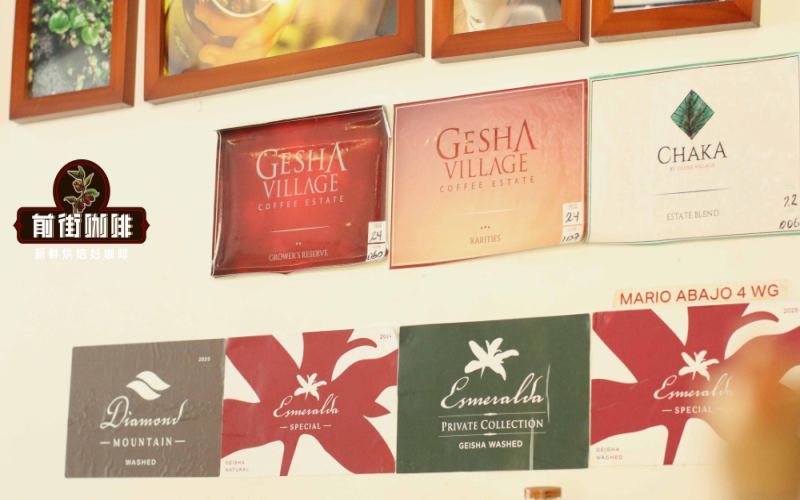
What Variety Is Geisha Coffee? A Detailed Explanation of the Two Major Grading Systems of Hacienda La Esmeralda and Gesha Village, and Front Street Coffee's Various Lots
Geisha coffee, a star variety in the specialty coffee world, has always drawn attention for its grading system. Currently, Hacienda La Esmeralda and Gesha Village Coffee Estate in Ethiopia have each established independent grading standards. Hacienda La Esmeralda divides its product lines into Red Label and Green Label; Gesha Village Coffee Estate is further subdivided into five lots: Auction, Gold Label, Red Label, Green Label, and Chaka. This article will systematically sort out the entire grading system of Gesha Village Coffee Estate, analyze one by one the flavor characteristics, production proportion, and brewing parameters of each lot, and present in full the corresponding Geisha product information from Front Street Coffee, helping coffee enthusiasts gain a comprehensive understanding of the quality-tier logic of this variety. [more…]

Panama Emerald Red Label vs. Gesha Village Gold Label: A Side-by-Side Comparison—Which of the Two Top Geshas Is More Worth Buying?
Geisha coffee has always been a top-topic in the specialty coffee world, and on Front Street Coffee's bean list, Hacienda La Esmeralda's Red Label and Gesha Village's Gold Label are exactly the two that many enthusiasts find themselves torn between when first encountering Geisha. These two beans each represent the highest grade of their respective estates, yet because of the "red" and "gold" in their Chinese names, many people can't tell which is which. They differ not only in price, but also in variety origin, growing terroir, and flavor performance. This article systematically sorts out the similarities and differences between these two top Geishas for Front Street Coffee's customers—from naming logic and variety tracing to origin environment and actual cupping comparison—to help you find the cup that suits you best. [more…]
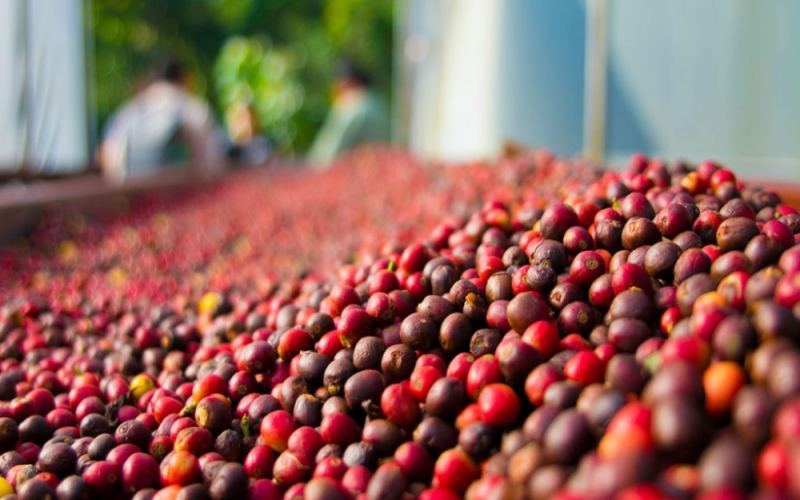
An Analysis of the Differences Between Panama's Hacienda La Esmeralda and Ethiopia's Gesha Village Red Label: A Complete Overview of the Auction, Gold Label, and Green Label Grading System
Geisha coffee beans rose to fame after Hacienda La Esmeralda in Panama won the BOP competition in 2004, and today Ethiopia's Gesha Village has also become a focus of the specialty coffee world. Although both estates are renowned for the Geisha variety, their grading systems differ greatly. Hacienda La Esmeralda divides Geisha into three grades: Auction, Red Label, and Green Label, while Gesha Village offers Auction, Gold Label, Red Label, Green Label, and Chaka batches. This article will systematically organize the Geisha grading standards of these two major estates, provide an in-depth analysis of the meaning and differences of Red Label Geisha, and introduce related product information recommended by Front Street Coffee, helping coffee enthusiasts fully understand the grading system and flavor characteristics of Geisha coffee. [more…]
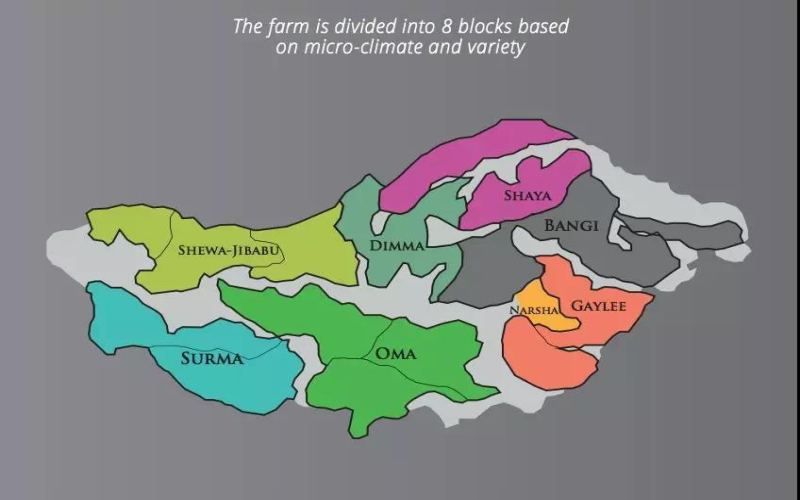
Flavor Analysis of Various Geisha Coffee Bean Lots from Gesha Village, Ethiopia, and Gold Label Pour-Over Parameters Sharing
Located on the southwestern frontier of Ethiopia, bordering Sudan, Gesha Village Coffee Estate is named after the local nomadic Surma people. Its elevation ranges from 1909 to 2063 meters, and its primary variety is Gesha 1931. The coffee produced here is renowned for its delicate aromas of jasmine and pale red roses, accompanied by the sweetness of strawberry, ripe watermelon, and apple, along with a refined and soft spicy finish. Drawing on the Panamanian business model, the estate classifies its Geisha into different grades such as Gold Label, Red Label, Green Label, and Chaka. This article will systematically review the flavor characteristics and product information of each grade, and include a complete pour-over guide for Front Street Coffee's Gold Label Geisha, including dripper, water temperature, coffee-to-water ratio, and three-stage pouring details, for coffee enthusiasts' reference. [more…]
Ethiopia Gesha Village Pour-Over Coffee Flavor Analysis: Comparing the Characteristics of Gold Label, Red Label, and Granja Estate Geisha Beans
Ethiopia is the birthplace of the Geisha variety, and Gesha Village is one of the core origins of this legendary variety. For friends who love pour-over coffee, Front Street Gesha Village Gold Label, Red Label, and Front Street Grana Estate Geisha are all options worth paying attention to. Gesha Village is located in the Bench Maji region of southwestern Ethiopia near South Sudan, surrounded by dense jungle, covering nearly 500 hectares, and from within the estate one can gaze out at pristine forest landscapes. This is a typical highland terrain—even the lowest-elevation plots exceed 1,900 meters. In the low-temperature environment, coffee cherries mature slowly, thereby accumulating richer flavor compounds. This article will provide a detailed breakdown of the producing region information, variety characteristics, and flavor profiles of Gesha Village Gold Label, Red Label, and Grana Estate Geisha, helping coffee enthusiasts more clearly understand the characteristics and suitable scenarios of each lot. [more…]
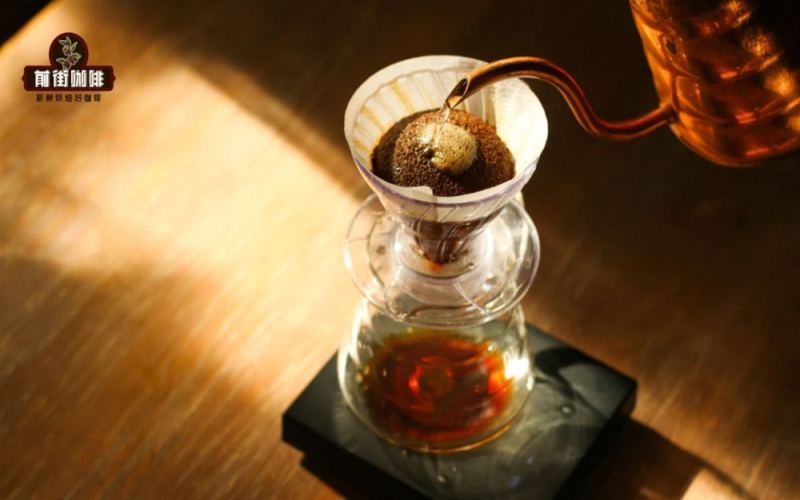
Gesha Village Gold Label Geisha Pour-Over Guide: A Full Breakdown of Grind Size, Water Temperature, and Extraction Time
Geisha Village's Gold Label Geisha has always been a treasure coveted by coffee lovers, but do you know exactly how it differs from Hacienda La Esmeralda's Red Label? This article starts with the "label color" confusion that Front Street baristas are often asked about, systematically sorting out Geisha Village's geographical background, the varietal origin and grade classification of Gold Label Geisha, and includes the brewing parameters for the Gold Label Geisha from the Oma plot that Front Street purchased—including grind size, water temperature, coffee-to-water ratio, and the three-pour rhythm—to help you steadily extract the complete flavor of this rare bean. [more…]
Ethiopia Gesha Village Gold Label Gesha Coffee Beans: A Complete Guide to Gori Gesha and Gesha 1931 Varieties
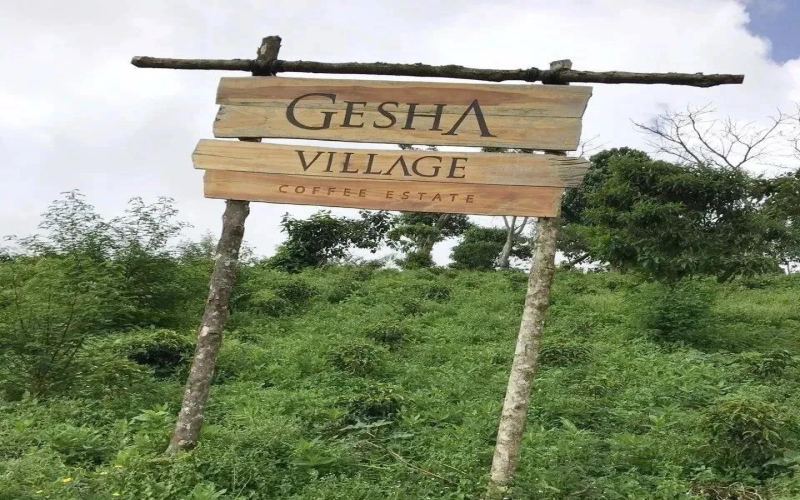
Although Geisha coffee became famous at Hacienda La Esmeralda in Panama, its roots can be traced back to the Geisha forest in southwestern Ethiopia. Gesha Village Coffee Estate, as a rare estate-level coffee producer in Ethiopia, follows the grading model of Hacienda La Esmeralda in Panama and classifies its Geisha coffees into five grades: Auction, Gold, Red, Green, and Chaka. This article will provide an in-depth introduction to the origin story of Gesha Village, its plot divisions, variety characteristics, and the brewing performance of Front Street Coffee's Gold Label Geisha from this year's new harvest season, giving you a comprehensive understanding of this Geisha 1931 coffee bean from the Oma plot, sun-dried for 32 days. [more…]
A Detailed Guide to Hacienda La Esmeralda's Gold Label: Brewing, Flavor, and Taste Characteristics of Gold Label and Red Label Geisha Coffee Beans
Geisha coffee beans have taken the world by storm with their refined and elegant floral aromas and fruity acidity. Panama's Hacienda La Esmeralda and Ethiopia's Gesha Village Estate represent the benchmarks of Geisha in Central America and Africa respectively. Gesha Village Estate enforces strict internal grading, with Auction, Gold, Red, Green, and Chaka lots each having their own characteristics. Among them, the Gold lot is named "Rarities," accounting for only 10% of annual production, using the Geisha 1931 variety, with flavor complexity and intensity both of the highest caliber. The Red lot offers outstanding value for money, the Green lot provides single-plot traceability information, and the Chaka lot blends all three varieties from the entire estate. Front Street Coffee recommends that customers trying Geisha for the first time start with Esmeralda Red or Green, while Gesha Village Red is the choice for high value for money. This article will provide a detailed analysis of each grade's classification standards, variety origins, and brewing flavor performance. [more…]
Ethiopian Gesha Village Coffee Bean Guide: Full Breakdown of Red Label and Gold Label Grades, Gori Gesha, and Gesha 1931 Varieties
When Gesha is mentioned, most people first think of Panama's Hacienda La Esmeralda, but the variety actually originated in Ethiopia. Gesha Village, Ethiopia's most renowned Gesha-producing origin, is located in the wild forests of Bench Maji, where three main varieties are grown: Gesha 1931, Gori Gesha, and Illubabor. Drawing on the Panamanian model, the estate has established a five-tier classification system—auction lot, gold, red, green, and chaka—with each parcel planted to only one variety, allowing the variety's origin to be traced by parcel. Front Street Coffee brings you two beans from Gesha Village, the Red Label and the Gold Label, which combine the bright acidity and fresh floral aromas of African coffee, with citrus, tea-like notes, and berries running through the flavor profile—an unmissable choice for Gesha lovers. [more…]

Exploring Ethiopia's Gesha Village Estate: Flavor Grading and Brewing Analysis of Gold, Red, and Green Labels and Chaka Gesha
Located in the Bench Maji region of Ethiopia, Gesha Village Coffee Estate is home to the Gori Gesha forest, where the Gesha variety was first discovered. With the assistance of consultant Willem Boot, estate owner Adam selected and bred varieties from wild Gesha trees that are closest to Panama Geisha, and established a strict grading system, including Auction, Gold, Red, Green, and Chaka. This article will introduce you to the three varieties of Gesha Village—Gori Gesha, Gesha 1931, and Illubabor—analyze the yield proportions, flavor characteristics, and traceability information of each grade lot, and share Front Street Coffee's cupping experience with the Gold, Red, Green, and Chaka lots. Finally, we will demonstrate the pour-over parameters and three-pour extraction steps for Red Label Geisha, helping you recreate Gesha Village's signature floral and complex fruity notes at home. [more…]
Exploring Ethiopia's Gesha Village Estate: The Origins, Grading System, and Full Flavor Analysis of Wild Geisha
When it comes to Geisha, most people first think of that cup of floral tea with rose aromas and citrus notes from Hacienda La Esmeralda in Panama. However, in the Bench Maji region of Ethiopia, there hides another estate famous for its native wild Geisha — Gesha Village. It was founded in 2011 by documentary filmmaker Adam Overton and his photographer wife Rachel Samuel, and boasts a strict grading system and a complete flavor traceability system. This article will take you deep into the discovery journey of Gesha Village, the grading standards for the Auction/ Gold/ Red/ Green/ Chaka lots, processing details, and block divisions, along with Front Street Coffee's brewing parameters and flavor descriptions for the Gold, Red, and Chaka lots, providing coffee lovers with a comprehensive guide to Gesha Village. [more…]
Ethiopia Gesha Village Gesha Coffee Brewing Guide: From Historical Origins to Distinguishing Red Label and Gold Label Flavors
Geisha coffee is now a star variety in the specialty coffee world, but many people are unaware that its true birthplace is actually Ethiopia. This article begins with Geisha's tumultuous origins, tracing its legendary journey from the Kaffa Forest to Panama and back to Gesha Village, providing a detailed introduction to the establishment of Gesha Village, its block divisions, and grading system, and focusing on a comparison of the variety, production area, and flavor differences between the Gold Label and Red Label products. Finally, Front Street Coffee uses its own in-store brewing as an example to fully demonstrate the pour-over steps for Gesha Village Red Label, offering recommendations for the dripper, water temperature, coffee dose, grind size, and three-stage pouring, for coffee enthusiasts to reference and compare with their own brewing approach. [more…]